Disability Inclusion
We identify disability exclusion as a social barrier that can limit young people's wellbeing, learning, inclusion and opportunities. What we mean by that in detail:
There are existing stigma and negative attitudes towards people living with disabilities. People with disabilities have to experience social exclusion and barriers to participation, often deal with limited opportunities to be heard and suffer from barriers within schools and communities
That’s why we see an urgent need to change the way people understand and interact with people with disabilities. Disability is not only about impairment; social stigma and negative attitudes can create exclusion.
Our aim is not simply to tell people what disability is. We want to raise awareness, give people with disabilities a voice, challenge stigma and attitudes and strengthen inclusion. A particularly important element is voice. We aim to give children with disabilities and their families an opportunity to communicate their own experiences, rather than having others speak for them.
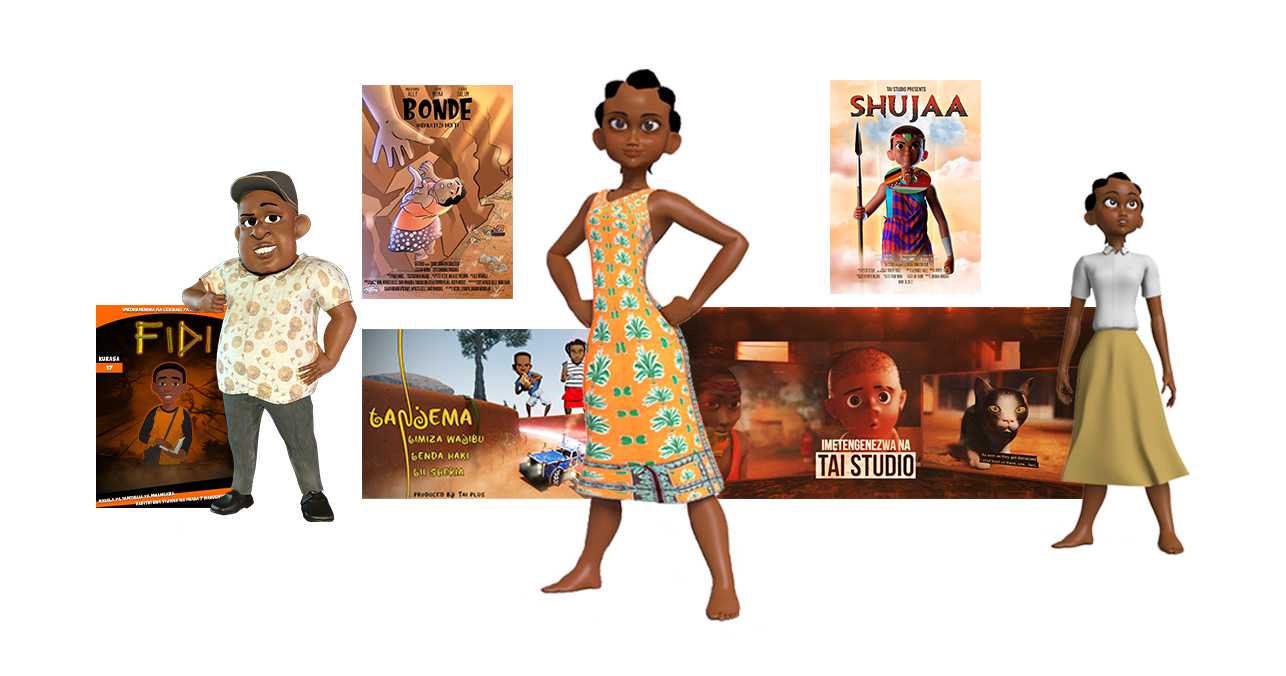
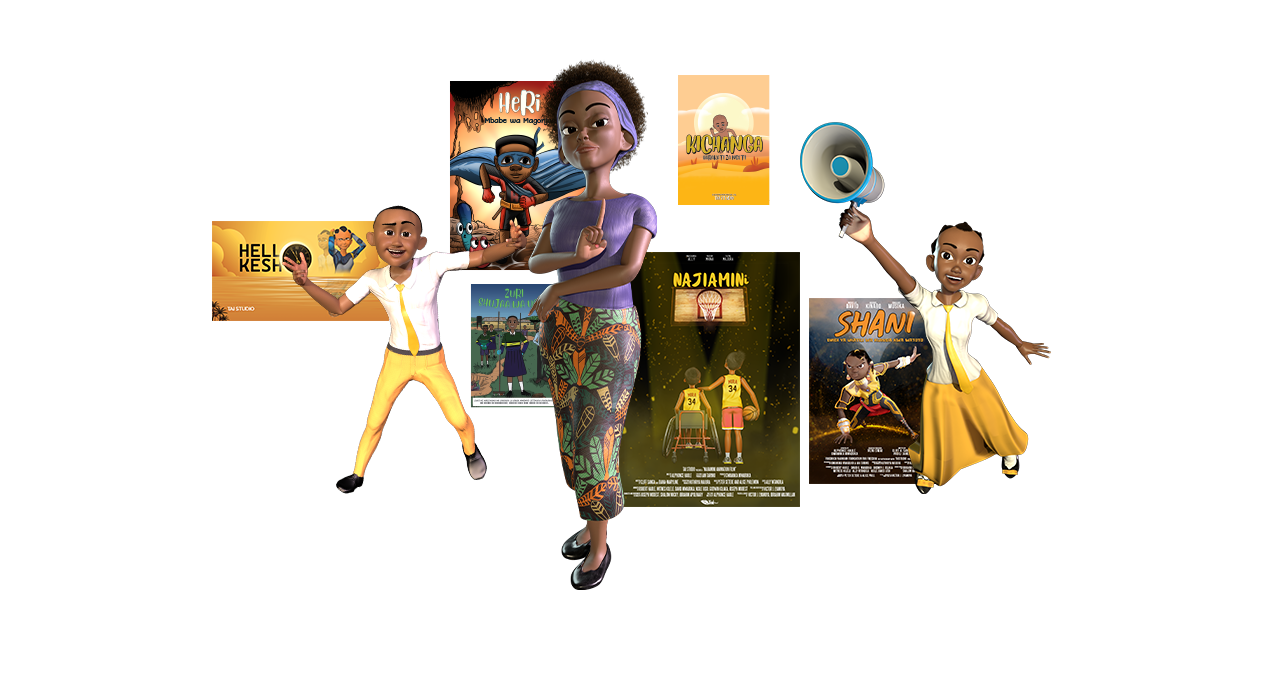
We developed the Pamoja Project which focusses on realising our aim by raising awareness of the challenges faced by people living with disabilities and to bring their experiences into conversations around education and society. Pamoja addresses disability inclusion not only by talking about it, but we use storytelling like 3D animations, comic books and radio drama to make complex social issues understandable, relatable and actionable. We support our storytelling approach with digital learning tools, school screenings, community dialogue and peer engagement. Here we focus on Blindness, Deafness, Albinism, Physical impairment and Intellectual/ learning disabilities. Using storytelling, youth engagement, and community dialogue, we work to break the silence around disability and shift harmful narratives. Our approach highlights the abilities, talents, and aspirations of young people with disabilities, reinforcing the message that disability does not limit a person’s potential or dreams.
But why is storytelling particularly useful for disability inclusion? Because storytelling can make lived experiences visible, challenge stereotypes, create understanding and empathy, open conversations, influence attitudes and behaviour.
Two examples of our animations are Najiamini and Fidi that have been both published in 2023. The story follows Mira, a girl who loves basketball. After an accident leaves her using a wheelchair, she has to deal not only with her physical disability but also with social attitudes, stereotypes and barriers surrounding disability.
Fidi’s story follows a young boy living with autism and shows his everyday life, the challenges he faces, and the difficulties experienced by his family.
The film focuses particularly on the fact that many of the difficulties experienced by autistic people are caused not only by autism itself, but by society's lack of understanding, accurate information and acceptance. Two very important stories that need to be heard and understood.
A key component of the program includes school dissemination and animation screenings, where students watch powerful stories like Fidi and Najiamini and engage in guided discussions about inclusion. These sessions help children develop empathy and understanding from an early age, encouraging them to love, respect, and value people with disabilities as equal members of society.
Until today 4115 young people have been reached through the Pamoja project and Tai. We received multiple recognition from international Institutions like the Zero Project recognition, the PLURAL+ recognitions for Najiamini in 2023 and the PLURAL+ VideoMaker recognition for Fidi in 2024.