With

Different challenges. One youth-centred model.

We apply Heart–Mind–Village across four connected areas, shaping stories, learning and support in ways that are practical, locally rooted and youth-led.

Story-led learningCommunity participationYouth-centred design

Our approach

Stories open dialogue. Learning builds capability. Support helps change take root.

Our approach begins with a simple insight: information and awareness alone are rarely enough to create lasting change.

Young people are more likely to understand, participate and act when their realities are reflected in stories, when they have safe spaces to discuss difficult issues, and when they receive support from people and institutions around them.

Strategy in brief

We combine narrative work with practical learning
We build trust through co-creation and dialogue
We connect young people to support systems that continue beyond one programme
Heart Mind Village model

Programme focus areas

Four connected areas where stories become practical pathways for change.

Health and Wellbeing

Making sensitive health issues easier to understand and safer to discuss

  • Sexual and reproductive health
  • Menstrual health and puberty education
  • Maternal and adolescent health
  • Mental wellbeing
  • Gender-based violence prevention
  • Trusted digital-health information
  • School and community dialogue

Examples: Oky Tanzania, health animations, comics, radio stories and dialogue resources.
Inclusive Society

Challenging stigma and strengthening dignity and participation

  • Disability inclusion
  • Autism awareness
  • Albinism inclusion
  • Visual and learning disabilities
  • Child rights and protection
  • Gender equality and social inclusion
  • Inclusive digital skills

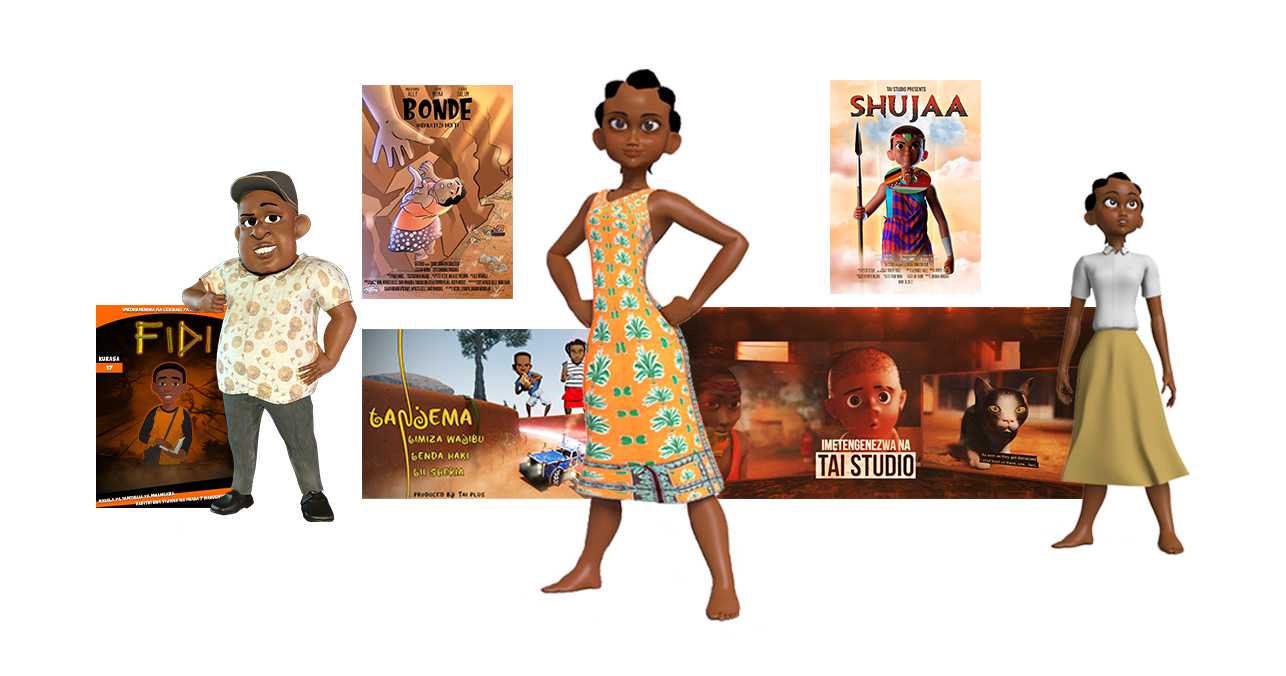
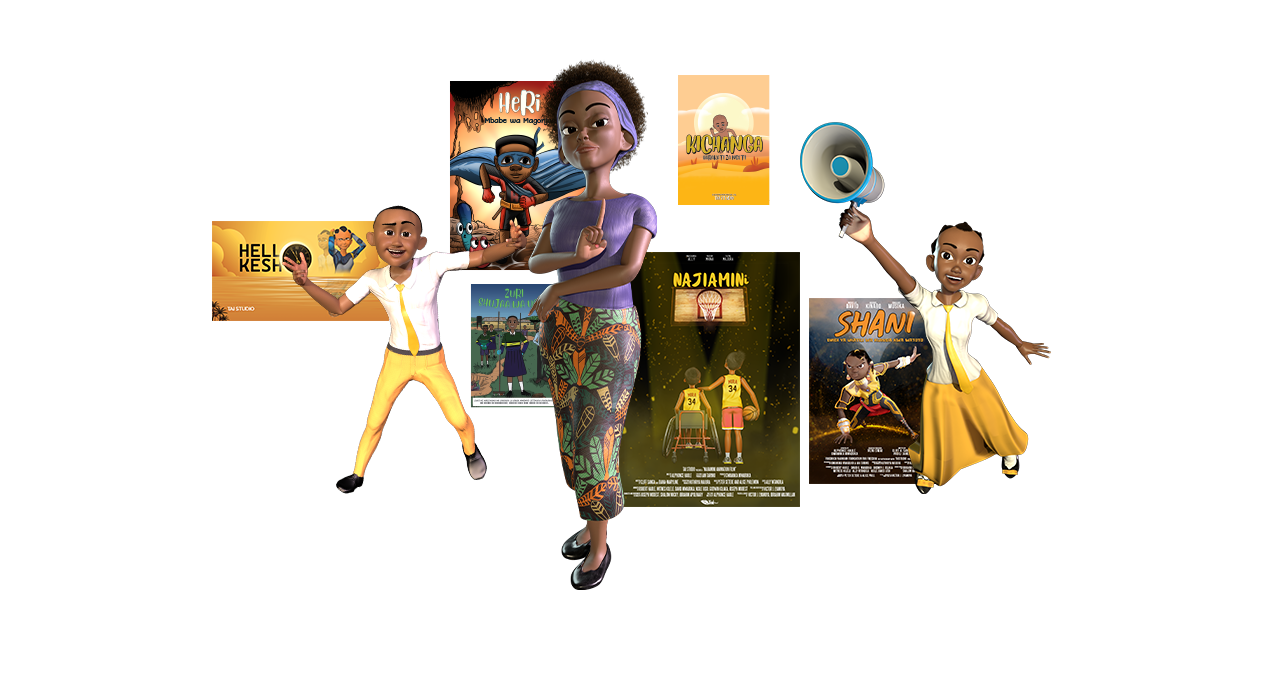
Examples: Fidi, Najiamini, Nivushe and inclusive digital-learning pathways.

Climate and Environment

Connecting environmental challenges to everyday life and action

  • Climate-change learning
  • Environmental responsibility
  • Marine and coastal conservation
  • Youth climate dialogue
  • Sustainable practices
  • Creative climate education

Examples: Kijana Kijani, BahariMania and school and community learning activities.

Education and Future-Ready Skills

Building capability and expanding future possibilities

  • Tai Academy
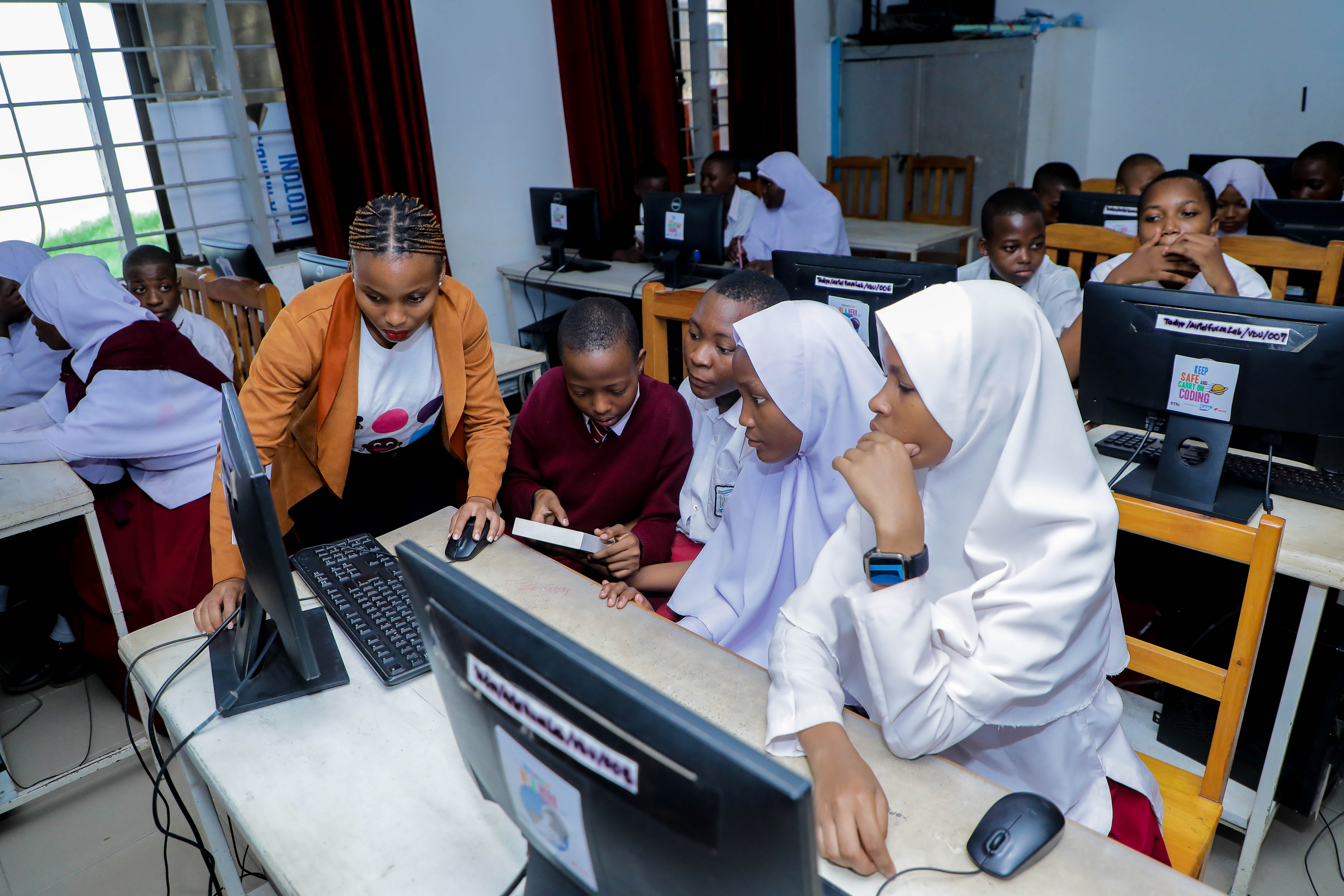
  • Curriculum-aligned digital learning
  • Academic scholarships
  • Digital literacy
  • Entrepreneurship and practical skills
  • Mentorship and career guidance
  • Education-transition support

Examples: Tai Academy, digital-learning pathways, scholarships and mentorship support.

The three pillars

A model that connects feeling, thinking and belonging.

Heart section illustration

Heart

Agency, voice and confidence

Stories and guided dialogue help young people recognise their experiences, reflect on difficult issues and build confidence to speak and participate.

  • Voice
  • Confidence
  • Empathy
  • Reflection
Mind section illustration

Mind

Knowledge, skills and capability

Learning pathways help young people understand, apply knowledge and expand their choices through trusted information, digital tools and practical support.

  • Digital learning
  • Practical skills
  • Mentorship
  • Opportunity pathways
Village section illustration

Village

Support around young people

Young people do not learn, grow or make decisions in isolation. Families, schools and institutions help reinforce inclusion, safety and participation.

  • Families
  • Schools
  • Community actors
  • Institutions

How change happens

A clear pathway from attention to action.

The pathway is not always linear. A young person may enter through a story, digital platform, school activity, scholarship or skills programme.

01

Story

Young people encounter relatable characters and situations that reflect their realities and create emotional connection.

02

Dialogue

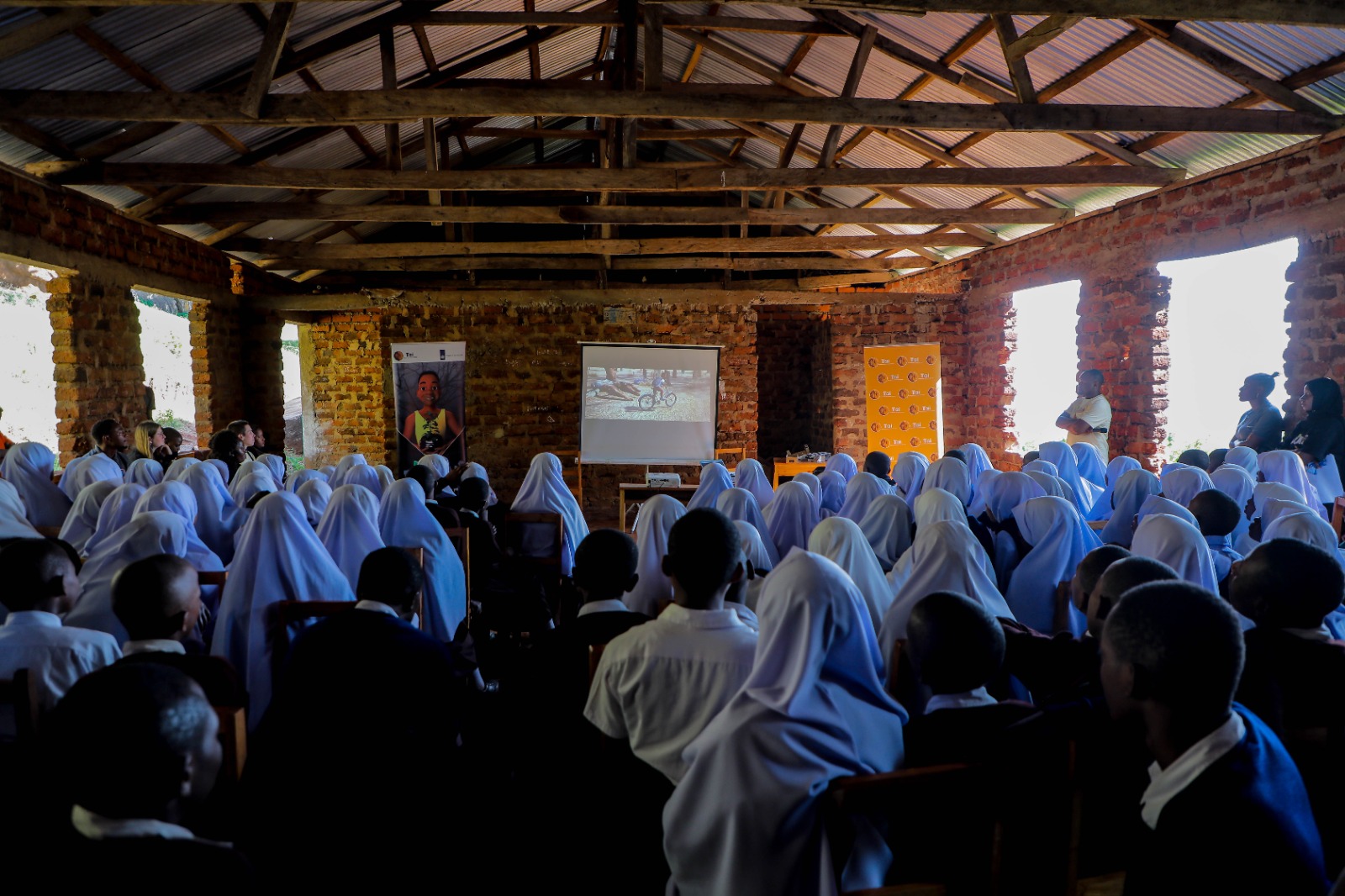
Facilitated conversations create space for questions, reflection and shared learning in safe, trusted settings.

03

Learning and Opportunity

Young people connect to trusted information, digital tools, scholarships, skills, mentorship and relevant services.

04

Support

Families, schools, communities and institutions reinforce positive practices and respond to young people’s needs.

How we co-create

Young people are involved from the beginning, not just at the end.

Listen

We understand young people’s experiences, language, questions and barriers.

Co-create

Young people help shape themes, characters, messages and solutions.

Validate

Communities and specialists review concepts for relevance, accuracy, inclusion and safety.

Produce

Validated ideas become animations, comics, radio stories and digital resources.

Engage

Content is connected to dialogue, learning, community participation and services.

Learn

Evidence and feedback inform future content and programme improvements.

Co-creation means involving young people from the beginning—not asking them to approve a finished product after the fact.

From delivery to ownership

Long-term impact requires more than expanding direct delivery.

We increasingly equip young people, teachers, schools, community actors and institutions with the tools and support needed to use, adapt and sustain effective approaches beyond Tai.

What we build together

  • Dialogue and facilitation tools
  • Youth co-creation methods
  • Training and capacity-building
  • Digital and blended learning resources
  • Institutional dissemination pathways
  • Follow-up support for continued use

Unlock A World Full Of Wonder and Soar Higher Heights With Us

Join our engaging community of young explorers and have access to captivating content and fruitful discussions designed to nurture curiosity, imagination and creativity.

Discover Great Stories