What If One Story Could Change the Way We See Others?

By Dativa Mahanyu
Fri Sep 18 2026
How "Itika" Comic Helped Fesali Rethink Disability and Inclusion.
What if our stories and perceptions could change with just one piece of information or one book? For Fesali, a student at Makumbusho Secondary School, one comic book became a moment of reflection that changed the way he understood disability and the people around him. Through the Itika comic, he encountered a story that encouraged him to look beyond what he thought he knew and consider the experiences of people living with disabilities.
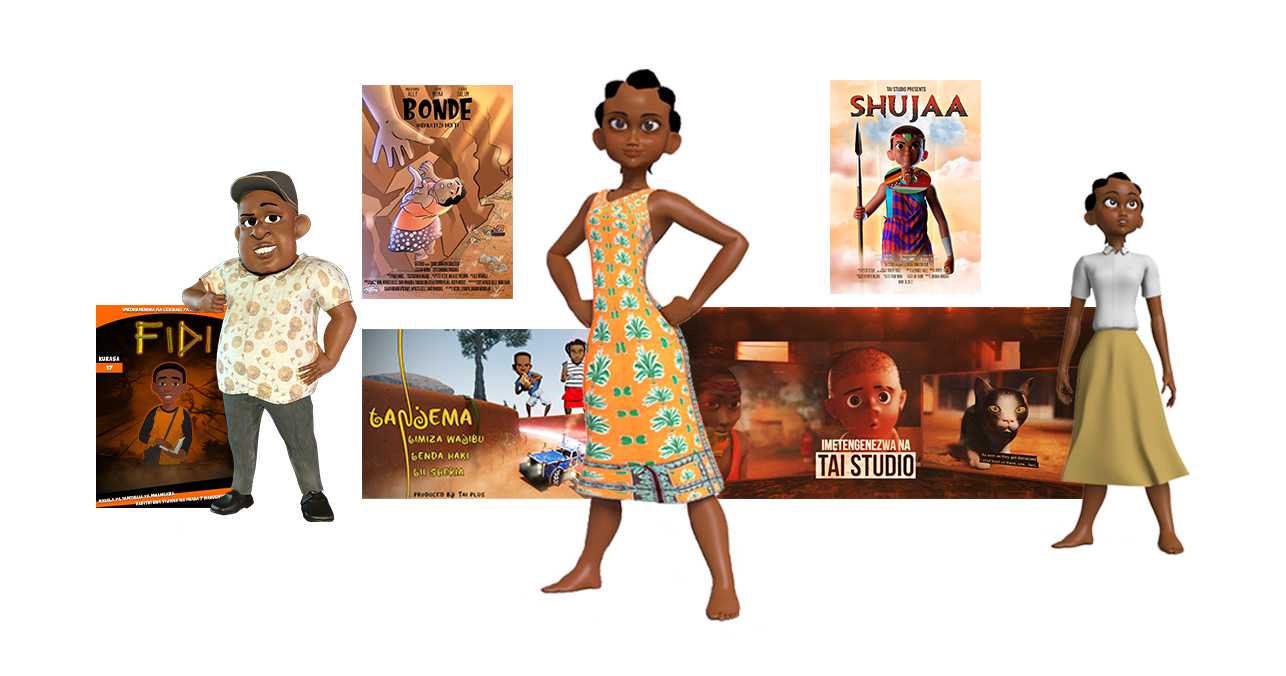
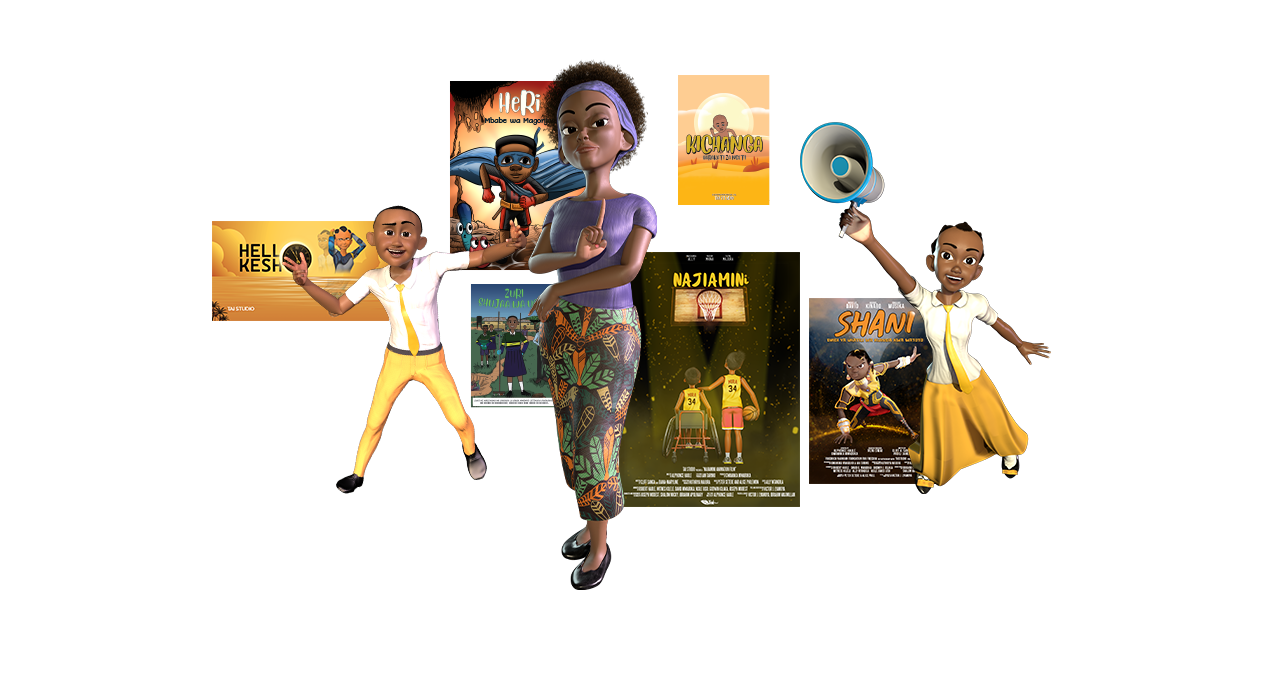
Though the Itika comic book, which is part of the Pamoja Project, under Mwangaza Series of animations and stories. The series uses storytelling and creative content to promote disability inclusion, challenge social norms and create awareness about the experiences of people who are often misunderstood or excluded. Through relatable characters and everyday experiences, the stories encourage young people to question assumptions and develop more inclusive ways of seeing the world.
One of the stories introduces readers to Uwena, a young girl who is deaf. Her experience takes readers into a world where communication is difficult because the people around her do not understand how to communicate with her. Her world can feel quiet and isolating, not simply because she cannot hear, but because those around her struggle to understand her needs. Through Uwena’s experience, readers begin to see how communication barriers can affect a person’s ability to connect, participate and feel included.
For Fesali, Uwena’s story felt particularly close to home. He has a neighbour who is also deaf, but before reading the comic, he had never fully considered what life might feel like from his neighbour’s perspective. He often asked him many questions and sometimes viewed his inability to respond or communicate easily as a disturbance. It was not until he read the Itika comic that he began to connect his own experiences with Uwena’s story and understand that his neighbour’s behaviour was not intentional it was part of the communication barriers he faced.
The story changed the way Fesali looked at his friend. He began to think about how it might feel to be ignored, misunderstood or unable to communicate with the people around you. He realised that while he had sometimes seen his neighbour as a disturbance, his neighbour could also be feeling frustrated, isolated or left out. The comic helped him move from simply knowing that his neighbour was deaf to understanding the person and experiences behind the disability.
Reflecting on his experience, Fesali shared:
“I feel bad about how I used to treat my friend with a deaf disability. I saw him as a disturbance. Now I know that he feels bad, and I feel bad about it too. They are just normal people like us, so we should love them even more.”
His reflection captures an important shift not only in what he knows about disability, but in how he chooses to relate to another person. He now wants to take the next step by learning sign language so that he can communicate more effectively with his neighbour.
Fesali’s experience demonstrates the power of storytelling to move beyond awareness and inspire empathy. Rather than simply telling young people that disability inclusion matters, Itika allows them to encounter real-life experiences through characters they can relate to. In Fesali’s case, a fictional story connected with a real relationship in his own community and encouraged him to reconsider his actions. One story changed a perception, and that new perception created a desire to act differently.
Through the Pamoja Project and the Mwangaza Series, Tai continues to use creative storytelling as a tool for challenging social norms, creating awareness and encouraging more inclusive communities. Fesali’s story reminds us that meaningful change can begin with something as simple as a comic book. Sometimes, changing the world begins by changing the way one young person sees another and sometimes, all it takes is one story to open that door.


